
Discovering Solutions to Common Retaining Wall Problems
Retaining walls play a crucial role in preventing soil erosion, managing landscape slopes, and enhancing property aesthetics. However, these structures can face several common issues over time. Understanding these challenges is vital for homeowners and builders alike. Fortunately, concrete offers practical solutions that address these problems effectively. In this article, we explore the frequent problems associated with retaining walls and how concrete can be a game-changer.
Why Retaining Walls Fail
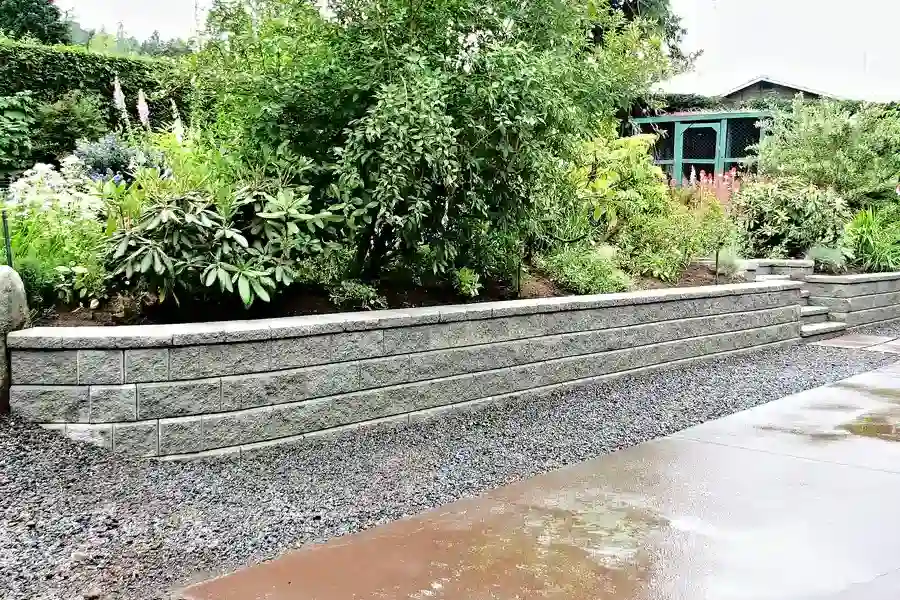
Retaining walls often fail due to improper design or construction. A lack of proper drainage is another significant factor. When water accumulates behind the wall, it exerts pressure that can cause the structure to tilt or collapse. Soil erosion and poor foundation materials also contribute to failure. Addressing these factors during planning is crucial to ensure long-term stability.
The Strength of Concrete
One effective solution for these issues is using a concrete retaining wall. Concrete provides strength and durability unmatched by other materials. Its ability to withstand pressure makes it ideal for areas prone to water accumulation. Moreover, concrete’s versatility allows for customization in terms of design, meeting both aesthetic and functional needs.
Benefits of Using Concrete
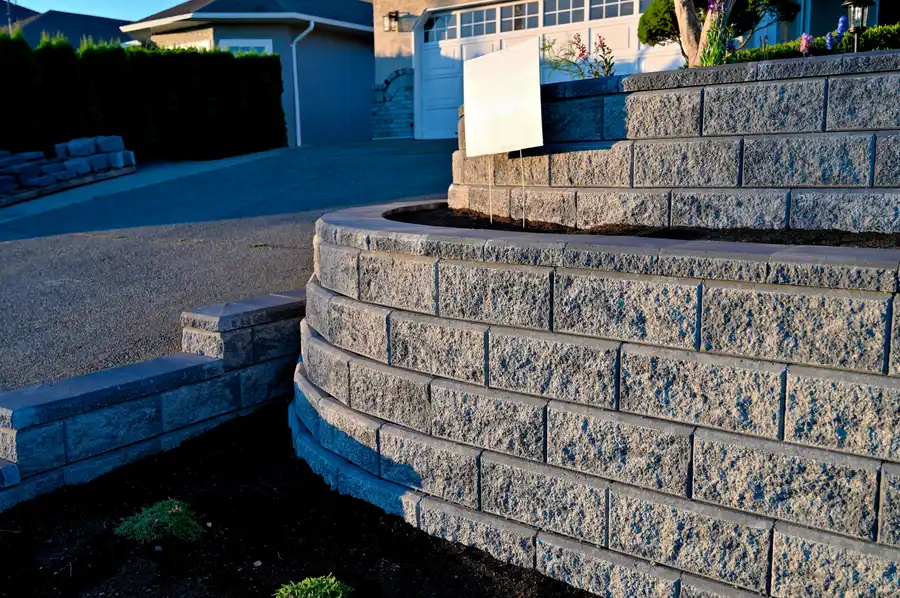
Choosing concrete for your retaining walls offers several advantages. Firstly, concrete is highly durable, making it resistant to weather-related wear and tear. Secondly, its fire-resistant properties add an extra layer of safety. Additionally, concrete requires minimal maintenance, saving you time and effort in the long run.
- High durability against environmental factors
- Low maintenance requirements
- Fire-resistant properties
Common Challenges Faced by Homeowners
Homeowners often encounter specific challenges with retaining walls, such as cracking and leaning. These issues arise from poor drainage systems or inadequate support. Cracks not only affect the wall’s appearance but also compromise its structural integrity. Leaning occurs when there’s insufficient backfill support, leading the wall to shift over time.
Using Concrete to Solve Issues
A well-constructed concrete retaining wall effectively addresses many of these common issues. By ensuring proper drainage with weep holes and gravel backfill, concrete walls mitigate water pressure problems. For additional support, rebar reinforcement within the concrete provides added strength against shifting forces. This helps maintain the wall’s position even under challenging conditions.
- Ensure proper drainage installation
- Add rebar reinforcement for strength
- Use quality concrete mixtures
Best Practices for Retaining Wall Construction
Adhering to best practices can prevent future retaining wall failures. Firstly, always start with a solid foundation using compacted gravel or crushed stone. Secondly, include weep holes at regular intervals to facilitate drainage. Lastly, consult with professionals who understand local regulations and soil conditions to ensure compliance and longevity.
Cost Considerations
The cost of installing a concrete retaining wall varies based on factors such as size and complexity. While initial expenses may seem higher than alternatives like wood or brick, the long-term benefits justify the investment. Concrete offers superior durability and requires less maintenance, resulting in cost savings over time.
Your Next Steps With Concrete Retaining Walls
If you’re considering improving your property’s landscape with durable retaining walls, turn to Royal Concrete Pumping Corp for expert advice and service. Our team, located in Rogers, AR, specializes in creating robust solutions tailored to your unique needs. Call (479) 381-5612 today to discuss your project further and discover why so many trust us with their retaining wall needs.